Colorado winter readiness
Get ready before fireplace season begins.
A practical Colorado checklist for homeowners who want to prepare a chimney or fireplace before colder weather and regular use.
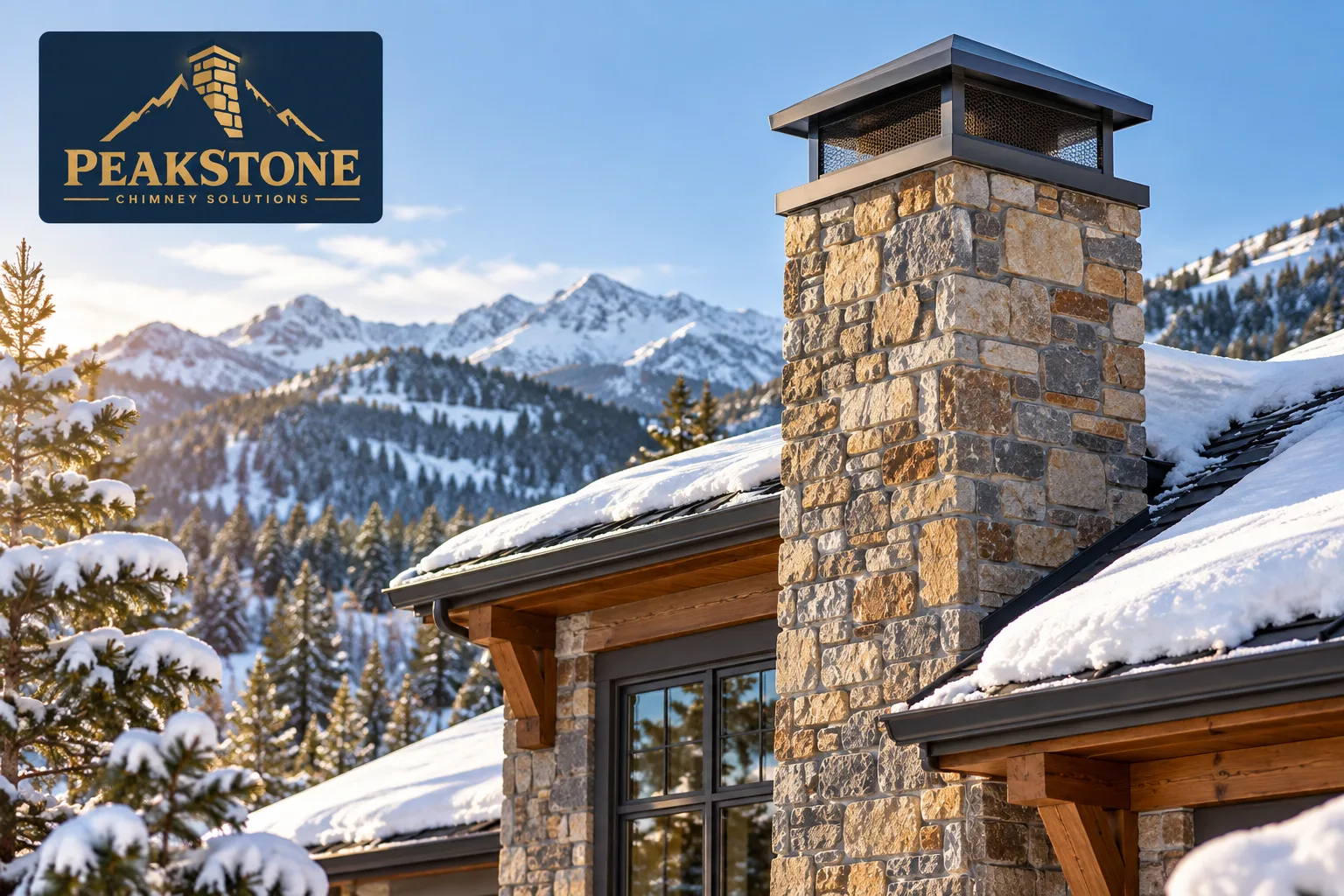
Colorado weather can change quickly across the Front Range. This guide helps you organize the questions, observations, and official resources that make a pre-season service conversation more useful.
Start before the first fire
A pre-season review is easier to plan than a mid-winter surprise. Keep any prior chimney report, appliance manual, or service paperwork together, then note what changed since last season.
A yearly inspection is a recognized safety baseline for chimneys, fireplaces, and vents. The actual cleaning or repair plan still depends on the system and what is found.
- Confirm the fireplace or appliance type.
- Note the last known inspection or service date.
- Look from the ground for a changed cap, crown, masonry surface, or flashing area.
- Keep manufacturer information available for gas appliances or inserts.
Inspection and cleaning answer different questions
An inspection asks what condition can be observed and whether there are safety, deposit, clearance, access, or system questions to resolve. Cleaning removes deposits when cleaning is actually appropriate. One is not automatically a substitute for the other.
When you call PeakStone, share the system type, last known service, and the concern you noticed. Availability, what is included in the visit, and the appropriate service path are confirmed before scheduling.
Use Colorado weather as context
Snow, wind, temperature swings, and moisture are useful clues when describing a concern. They do not prove a cause by themselves, but timing helps an in-person assessment focus on the right areas.
The National Weather Service maintains current Front Range winter outlooks, warnings, and high-wind information. Foothill properties can need especially careful attention after a major wind event.
- Write down when the condition first appeared.
- Mention whether it followed snow, rain, high wind, or a freeze-thaw swing.
- Do not climb onto a roof or chimney to investigate. A ground-level photo is enough to begin a conversation.
Know what deserves a call
A change in draft, smoke or odor inside, water staining, loose visible masonry, or a changed chimney-top component is worth describing before the season gets busy.
For a carbon-monoxide alarm, visible fire, or other immediate danger, leave the area and call 911. This guide is for preparation, not emergency response or remote diagnosis.
Common questions
Clear answers for the season.
Should I wait for the first cold week to schedule an inspection?
Planning before regular fireplace use gives you time to discuss the home, system, and availability without assuming an emergency.
Does a chimney need attention if it was barely used last season?
Use alone is not the only consideration. Annual inspection guidance also accounts for issues such as nests, debris, deterioration, and weather exposure.
Can I inspect the chimney myself from the roof?
Do not access a roof or chimney for this purpose. Note what you can safely see from the ground and share it when you call.
What should I ask before booking a visit?
Ask whether the concern calls for inspection, cleaning, or repair discussion; what is included; what access or appliance information is useful; and how any follow-up work or pricing is handled.
Official sources
Check the current authority.
Weather, air-quality restrictions, permits, and appliance guidance can change. These are the sources used to keep this guide grounded.
NWS Denver/Boulder winter outlook
Current winter outlooks, watches, warnings, and Colorado snow information.
Open source ↗OFFICIAL RESOURCEEPA winter weather and indoor air
Seasonal fireplace, wood-stove, ventilation, and indoor-air safety guidance.
Open source ↗OFFICIAL RESOURCECSIA homeowner resources
Homeowner guidance on annual inspections, dampers, and chimney systems.
Open source ↗